Key Takeaways
- Remote and hybrid work models require flexible, robust payroll systems.
- AI-driven payroll technology mitigates errors and improves process efficiency.
- Global compliance remains a prominent obstacle for multinational organizations.
- Investment in modern payroll solutions can drive efficiency and bolster employee experience.
Managing payroll in today’s rapidly shifting business landscape brings an evolving set of challenges and opportunities. As organizations increasingly adopt remote and hybrid work models and new technology becomes available, the approach to payroll must evolve accordingly. Working with a trusted service provider can be essential in navigating these complexities and driving operational efficiency.
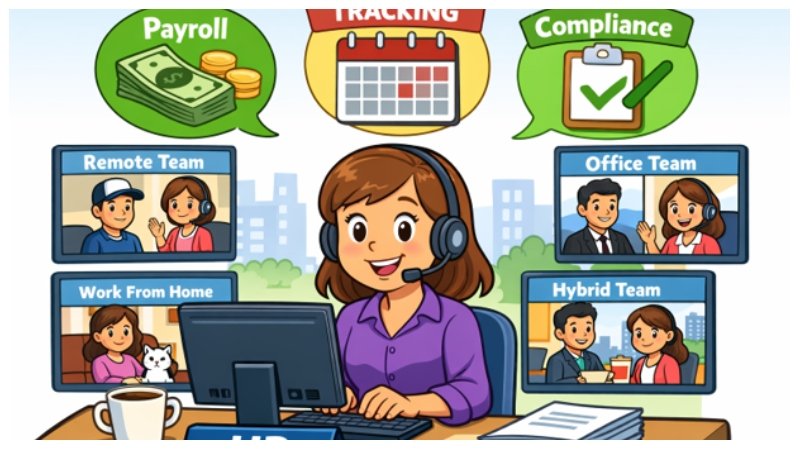
Modern payroll processes must be adaptable and accurate, whether dealing with teams scattered across multiple locations or accommodating diverse employee expectations. At the same time, compliance is more complex than ever as companies operate across state and national borders. Payroll is no longer just about processing payments; it is now a strategic function crucial to employee satisfaction, business compliance, and competitive advantage.
Adapting to Remote and Hybrid Work Models
The widespread shift to remote and hybrid work has turned traditional payroll management on its head. With employees working from various locations and time zones, tracking hours, calculating taxes, and ensuring prompt payments have become significant challenges. Companies now need payroll systems capable of tracking remote attendance, accounting for different state or international tax rules, and effectively managing a growing diversity of benefits packages. Adapting payroll processes to support remote teams means adopting flexible time tracking, automated workflows, and digital self-service portals for employees. The right systems can simplify compliance with laws that require location-specific withholdings and benefits, ensuring everyone is paid accurately and on time.
Leveraging Technological Advancements
Technological evolution, particularly the integration of artificial intelligence, is reshaping payroll operations. AI-driven payroll tools can automate tedious, repetitive tasks such as data validation, salary calculations, and time-off management. Modern platforms identify discrepancies before payroll runs, flagging them for review and reducing costly mistakes. Real-time dashboards provide critical insight into labor costs and payroll metrics for finance managers and HR teams. According to Forbes, payroll automation improves accuracy, supports compliance, and enhances data security, thereby protecting organizations from potential risks associated with manual processes.
Navigating Compliance in a Global Landscape
Global operations introduce another layer of complexity to payroll management. Each country, and often every state or regional jurisdiction, has its own unique tax codes, reporting requirements, labor laws, and data protection regulations. Failure to comply can result in severe penalties and damage to an organization’s reputation. Integrated global payroll platforms simplify compliance by consolidating local requirements into a single system. These solutions allow companies to harmonize payroll practices, automatically apply country-specific rules, and generate the necessary reports for auditing and regulatory authorities. Effective compliance management is vital to avoid fines and unexpected liabilities as businesses expand internationally.
Addressing Payroll Skills Shortages
The payroll sector faces a real and growing shortage of qualified professionals. According to recent industry surveys, over half of organizations have experienced disruptions due to understaffed payroll departments. A limited talent pool can impact everything from accurate payroll runs to timely issue resolution and regulatory adherence. To address these shortages, businesses must invest in ongoing training and upskilling for in-house employees and, when available, leverage external expertise or outsourcing partners. Fostering a culture of continuous education and professional growth can help build a competent payroll workforce that keeps pace with changing requirements and technologies.
Enhancing Employee Experience Through Payroll
Payroll accuracy and flexibility directly influence employee satisfaction, engagement, and retention. Modern workers value timely, transparent, and customizable payroll experiences, including on-demand pay, flexible deposit options, and clear, personalized pay statements. When payroll processes are consistent and error-free, employees feel valued and confident in the organization, strengthening trust and workplace morale. Conversely, mistakes, delays, or confusing pay information can quickly erode confidence and lead to frustration or turnover. By implementing user-friendly, mobile-accessible payroll platforms, employers allow staff to access pay information, track deductions, and resolve discrepancies independently. These systems reduce the administrative burden on HR teams, freeing them to focus on strategic initiatives. Over time, such payroll innovations create a culture of transparency and reliability, fostering loyalty, engagement, and long-term workforce stability while supporting the organization’s operational efficiency and reputation as an employer of choice.
Mitigating Risks with Automated Systems
Traditional, manual payroll methods are susceptible to data entry errors, missed deadlines, and security vulnerabilities. Automated payroll systems dramatically reduce risks by facilitating accurate calculations and timely payments. These platforms create comprehensive audit trails, making regulatory reviews more efficient and transparent. By reducing human intervention and streamlining data collection, companies can improve compliance, speed up payroll cycles, and minimize the risk of costly mistakes or legal exposure. Automation also frees up payroll professionals to focus on strategic tasks such as analysis, reporting, and employee support.
Future Trends in Payroll Management
Looking ahead, artificial intelligence and machine learning will become even more integrated into payroll processes. Expect advanced analytics, predictive insights, and personalized experiences to play a significant role. Forward-thinking companies will adopt holistic workforce management platforms that unify payroll, HR, and compliance data to drive decision-making and flexibility. Staying current with these emerging trends positions organizations not just to keep up, but to lead in creating seamless, compliant, and innovative payroll experiences.
Conclusion
Modern payroll management is a balancing act between meeting regulatory obligations, adopting new technologies, and putting employees at the center of every process. By investing in advanced payroll tools and continuous professional development, businesses can transform payroll from a routine back-office task into a strategic asset that drives operational success and employee satisfaction. Click here for more information.