Table of Contents
AI Integration in Alarm Monitoring
Wireless and Cloud-Based Solutions
Biometric Security Enhancements
Data Privacy and Cybersecurity
Remote Guarding and Video Verification
Standards and Compliance
Consumer Preferences and Market Trends
Conclusion
Alarm system monitoring has seen rapid evolution as advanced technologies reshape how
security is achieved and maintained. Businesses and homeowners now have access to a range
of smarter, more effective systems that not only detect threats but also optimize response and
adaptability. For anyone looking to ensure their safety or enhance their property’s security
infrastructure, exploring the new wave of monitoring solutions is key. Learn more about the
current capabilities of modern alarm monitoring at Quick Response for practical insights and
detailed offerings.
Today’s alarm system technology integrates a blend of Artificial Intelligence, wireless
connectivity, biometric verification, and stringent cybersecurity practices. These innovations are
not only responding to emerging threats but also revolutionizing convenience and control. This
article delves into the latest market-defining advancements, offering a practical guide to the
most innovative monitoring tools available.
AI Integration in Alarm Monitoring
Artificial Intelligence has become a cornerstone of modern alarm system monitoring. By
leveraging machine learning algorithms, AI-powered platforms can rapidly process data streams
from cameras, motion detectors, and environmental sensors. These systems distinguish
between real security events and everyday activities, such as pets moving or weather changes,
drastically reducing false alarms. For example, advanced pattern recognition enables the
system to automatically flag behaviors that deviate from the normal routine, such as
unauthorized access attempts or prolonged loitering near entry points.
This newfound intelligence allows monitoring centers to focus resources on genuine threats,
improving both response time and operational efficiency. In commercial settings, AI can also
identify subtle security risks, such as tailgating through doors, which might otherwise go
unnoticed. By continually learning and adapting, AI-driven systems boost both preventative and
reactive security measures.
Open Fame Person A Curated World Pulse Post Guarantee Explore Infoglobehub useful website learn more Reference Fameblogsmarvin Tips & Tricks look here Brightphere Guide — what to expect The Official Fameprofile Whitepaper Understanding the Notedprofile Explainer complete resource Businessbeaconnews Recognition quick overview Discover Techvanture Courses A Detailed Worldshinemag Customer Stories Understanding the Worldverses Guide Tech Fame Pro Tips for Enterprises An overview of Lucywell Insights A Quick Tophomeinsight Video Series The Premier Prohomeinsight Community Forum Worldpeakmag Guide — what to expect Top picks from Thekongotech Download Voozons Dashboard Learn more about Droven great tool Techfivers Courses for Designers See Urbanglowmatter Podcast Check out Daily Spark Magazine Open Worldcelebritymag Articles Meet Techfunpro Customer Stories The Trusted Businessdailyvibe Resource Center See Worldusmagazine Playbook Outclassmagazine Courses for Beginners An Award-Winning Prosuccessguide Framework Urbanfloracivic Strategy Guide Review Thefamefacts Stories A Professional Thevibepost Membership Understanding the Outclassinsight Resources Meet Techdailyvibes Academy free resource here Best of Homlywise An overview of Mintpaldecors Breakdown Homeydecors Software
Wireless and Cloud-Based Solutions
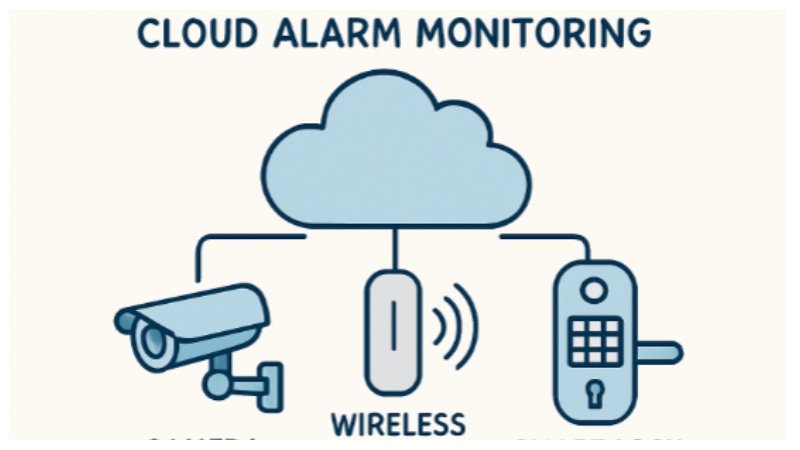
Wireless and cloud-based technologies are rapidly overtaking traditional wired systems.
Wireless sensors and cameras free users from rigid installations, enabling them to secure hard-
to-reach locations and scale systems as needs grow. Cloud-based platforms enable remote
management, with real-time alerts, firmware updates, and data access available via
smartphones and computers anywhere in the world.
Integrating alarm systems into cloud networks brings seamless collaboration with other smart
home devices, such as lighting and temperature control. For example, if a security breach is
detected, the system can automatically trigger lights or lock doors, thereby lengthening the
critical response window. Additionally, storing security footage and system logs in the cloud
mitigates the risk of physical data loss in the event of a fire or theft.
Biometric Security Enhancements
Biometrics are adding a sophisticated authentication layer to alarm systems, with fingerprint
and facial recognition becoming increasingly mainstream. Only authorized users can disarm or
access secured zones, effectively blocking unwanted entry even if codes or keys are
compromised. This type of multi-factor authentication not only enhances physical security but
also improves usability, enabling quick, secure access for residents or employees.
Biometric data is handled with strict protocols, ensuring sensitive information is encrypted and
stored in compliance with privacy policies. As more security solutions adopt biometrics, end-
users benefit from a level of protection previously reserved for high-security facilities and
government environments. A recent article from Security Magazine highlights how facial
recognition is reshaping the standards of personal security across various industries.
Data Privacy and Cybersecurity
The interconnected landscape of today’s alarm systems introduces new cybersecurity
considerations. Each network-connected device represents a potential gateway for hackers. To
maintain trust and effectiveness, security providers are prioritizing robust encryption,
multifactor authentication, and routine vulnerability assessments.
Ongoing cybersecurity education helps clients safeguard login credentials, recognize phishing
attempts, and manage permissions for system access. Regulatory compliance, such as GDPR in
Europe or CCPA in California, drives stricter controls over how personal data is collected, used,
and stored. Ensuring data privacy is essential not only for compliance but also for sustaining
confidence in the overarching security apparatus.
Remote Guarding and Video Verification
Remote guarding is revolutionizing incident response by merging digital surveillance with
human oversight. Centralized monitoring stations use live video feeds and analytics to
proactively identify and assess threats, allowing operators to intervene before crimes escalate.
For homeowners and businesses alike, real-time video verification minimizes false alarms by
enabling operators to visually confirm situations before dispatching law enforcement,
preventing unnecessary and costly call-outs.
Systems equipped with audio intervention tools can issue live warnings to intruders, often
deterring criminal activity before damage is done. These advancements balance the strengths
of automation and skilled human judgment for a high level of flexible, scalable protection.
Standards and Compliance
Adherence to well-established national and international standards is a foundation of reliable
alarm solutions. Organizations like Underwriters Laboratories (UL) have created benchmarks for
how alarm systems should be installed and operated, governing aspects such as durability,
response speed, and fail-safe backup protocols. Compliance with standards such as UL 294
(access control) and UL 2610 (central station services), as well as local regulations, assures end-
users that their systems are both safe and effective.
Staying up to date with changes in standards is essential for installers and customers, ensuring
they benefit from the latest best practices and avoid liability issues. Guidance from reputable
security publications, such as Security Magazine, is invaluable for understanding new regulatory
requirements and implementation strategies.
Consumer Preferences and Market Trends
The growing trend among consumers is a demand for flexibility, customization, and easy
integration. Users expect interfaces that are intuitive and adaptable, with features they can
tailor to different environments, whether residential, commercial, or industrial. The inclination
toward smart integration is driving manufacturers to design alarm systems compatible with a
wide range of third-party platforms, from home automation to voice-controlled assistants.
The push for sustainability and cost-effectiveness is also influencing purchasing decisions.
Consumers value systems that offer remote troubleshooting, automatic updates, and energy
savings. Industry surveys suggest the pace of innovation will only accelerate as connected
technologies continue to mature and user expectations rise.
Conclusion
Innovative practices in alarm system monitoring are redefining how individuals and
organizations approach security. Embracing AI capabilities, advanced wireless technologies,
biometric authentication, and strengthened cybersecurity has not only improved efficacy but
also delivered unmatched convenience and peace of mind. As consumer needs evolve, the
industry will continue to adopt and refine practices that blend high-tech protection with
everyday practicality, ensuring everyone has access to robust, adaptive security solutions. Click here for more information.