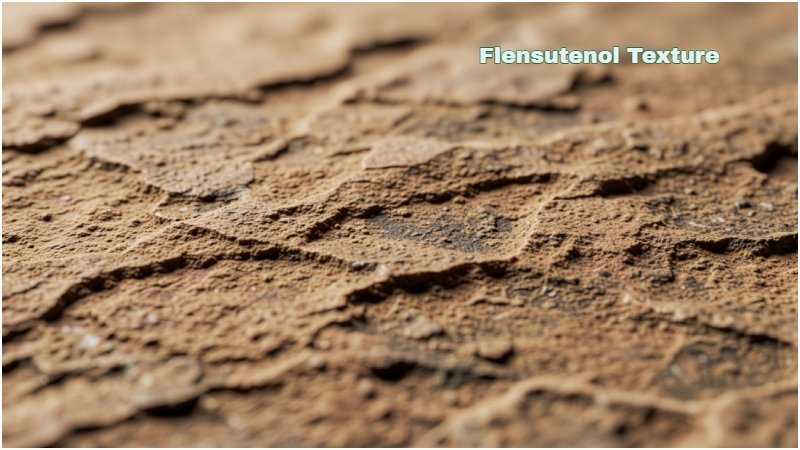
Digital trends move quickly. Some fade within weeks, while others generate lasting curiosity. One phrase that continues to spark attention is Flensutenol texture.
The name sounds technical and futuristic. Designers reference it. Blogs attempt to define it. Readers keep searching for clarity.
What does it actually mean? Is it a real engineered material, a branding invention, or simply a descriptive idea?
This guide delivers clear answers. You’ll learn what the term represents, how it compares to real materials, why it is trending, and what value it truly holds.
What Is Flensutenol Texture?
Across online discussions, Flensutenol texture is described as a refined surface feel that blends softness with structural control. Rather than feeling overly slick or overly rigid, it supposedly offers balance.
Descriptions typically highlight:
-
A matte, premium finish
-
Smooth but controlled touch
-
Subtle grip resistance
-
Comfortable hand feel
-
Light elasticity
-
Resistance to surface wear
Despite these detailed portrayals, no verified scientific database lists “Flensutenol” as a registered compound or industrial polymer. No patents, manufacturing specifications, or certification documents support its existence as a standalone material.
In practical terms, the phrase appears conceptual. It represents an ideal tactile experience instead of a documented chemical formula.
Why Is This Term Gaining Popularity?
Several modern influences explain its growing search visibility.
The Rise of Sensory Product Design
Consumers no longer evaluate products based solely on performance. The way an item feels plays a major role in perceived quality.
A well-balanced surface creates an immediate impression of precision and craftsmanship. Touch often influences trust before functionality is tested.
The Influence of Technical Language
Futuristic terminology naturally creates authority. When a word sounds scientific, it suggests research and innovation.
Curiosity drives people to search unfamiliar phrases. Increased searches encourage more websites to publish content. As visibility expands, the cycle strengthens.
Interest in Advanced Materials
Modern audiences are fascinated by smart polymers, engineered coatings, and sustainable composites. A technical-sounding name fits comfortably within that broader trend of innovation.
Is Flensutenol a Verified Material?
Available evidence suggests otherwise.
There are no:
-
Peer-reviewed research studies
-
Patent filings
-
Chemical registry entries
-
Manufacturer data sheets
-
Official safety certifications
Without these, it cannot be classified as a confirmed industrial compound.
That distinction matters. The tactile qualities described online are achievable. The name itself lacks documented scientific validation.
What Surface Characteristics Are Commonly Associated With It?
Content across multiple sources tends to mention similar qualities:
-
Smooth without slipperiness
-
Matte rather than glossy
-
Slightly elastic under pressure
-
Comfortable for extended handling
-
Resistant to daily wear
-
Non-sticky in warmer conditions
Each of these features exists in established materials already used across various industries.
Real Materials With Similar Tactile Performance
To better understand the concept, consider known materials that deliver comparable results.
| Material | Surface Feel | Common Applications | Durability |
|---|---|---|---|
| Silicone Elastomer | Flexible, skin-friendly | Wearables, kitchen tools | High |
| TPU (Thermoplastic Polyurethane) | Slight grip, resilient | Phone cases, sports gear | Very High |
| Soft-Touch Coatings | Velvety matte finish | Electronics, car interiors | Moderate to High |
| Rubberized Finishes | Cushioned, controlled grip | Tool handles, controllers | High |
The sensory descriptions connected to Flensutenol texture closely resemble these materials. This alignment suggests a stylistic or branding interpretation rather than a newly engineered compound.
Where Would This Texture Concept Be Applied?
Even if the name lacks technical documentation, the underlying design philosophy remains practical.
Consumer Electronics
Devices handled daily require finishes that feel secure yet comfortable. Controllers, headphones, and accessories benefit from surfaces that balance grip with smoothness.
Automotive Interiors
Premium vehicles often use matte polymer coatings on dashboards and control panels to enhance perceived luxury.
Wearable Technology
Comfort becomes essential when materials stay in contact with skin for long periods. Flexible elastomers and soft-touch blends address this need effectively.
Interior and Furniture Design
Modern spaces frequently incorporate matte surfaces with subtle tactile warmth to create inviting environments.
Across industries, the objective remains consistent: combine durability with user comfort.
Why Texture Strongly Influences Perception
Human psychology responds instantly to touch. A balanced surface communicates quality without a single word.
When a product feels controlled instead of slippery, refined instead of rough, durable instead of fragile, consumers associate it with higher craftsmanship.
Because of this psychological effect, manufacturers invest heavily in surface engineering research.
How Manufacturers Achieve Similar Surface Effects
Rather than inventing unknown substances, engineers enhance existing materials through specialized processes:
-
Micro-textured mold designs
-
Matte coating applications
-
Polymer blending formulas
-
Elastomer layering techniques
-
Composite surface treatments
These established methods refine grip, comfort, and resilience.
The tactile sensation often attributed to Flensutenol texture can already be achieved using these proven techniques.
Strengths and Limitations of the Concept
Evaluating the idea objectively provides balance.
Strengths
-
Encourages attention to tactile innovation
-
Reflects user-centered product design
-
Supports premium branding strategies
-
Aligns with modern consumer expectations
Limitations
-
No verified technical documentation
-
Potential confusion in industrial procurement
-
Risk of misuse as a marketing buzzword
Clear explanation reduces these concerns.
How to Evaluate Claims About New Materials
Whenever encountering a newly named material, apply a structured approach:
-
Search for peer-reviewed publications.
-
Review patent databases.
-
Look for manufacturer specifications.
-
Verify safety certifications.
-
Examine independent testing reports.
If reliable documentation is unavailable, the term likely represents a descriptive concept rather than a scientific breakthrough.
The Branding Psychology Behind Futuristic Names
Complex names increase memorability. Memorability increases search behavior. Increased search behavior expands visibility.
Many industries rely on advanced-sounding terminology to imply innovation. Cosmetics, technology, and coatings frequently adopt this strategy.
Understanding the psychology behind naming helps readers separate perception from verified data.
Should the Term Be Used?
Responsible use is possible.
Instead of presenting it as a confirmed compound, describe it as:
-
A premium soft-touch design concept
-
A modern tactile surface style
-
A balanced matte polymer finish
Precision in language strengthens credibility.
The Future of Surface Innovation
Regardless of terminology, tactile engineering continues advancing.
Emerging developments include:
-
Self-healing coatings
-
Anti-microbial finishes
-
Bio-based polymer blends
-
Nano-structured surfaces
-
Adaptive grip technologies
As products become increasingly user-focused, touch will remain central to perceived quality.
Conclusion
Flensutenol texture reflects a growing emphasis on how products feel as much as how they function.
No verified compound exists under that name. However, the tactile qualities associated with it — smoothness, balance, durability — are already achievable through established materials and surface engineering methods.
Distinguishing marketing language from material science ensures informed decisions. Click here for more information.
Clarity builds authority. Transparency builds trust. In the evolving world of product design, measurable performance will always matter more than mysterious terminology.